Analysis
The Cost of the Clipping: Oliver Bearman’s Suzuka Warning
Written by Kavi Khandelwal
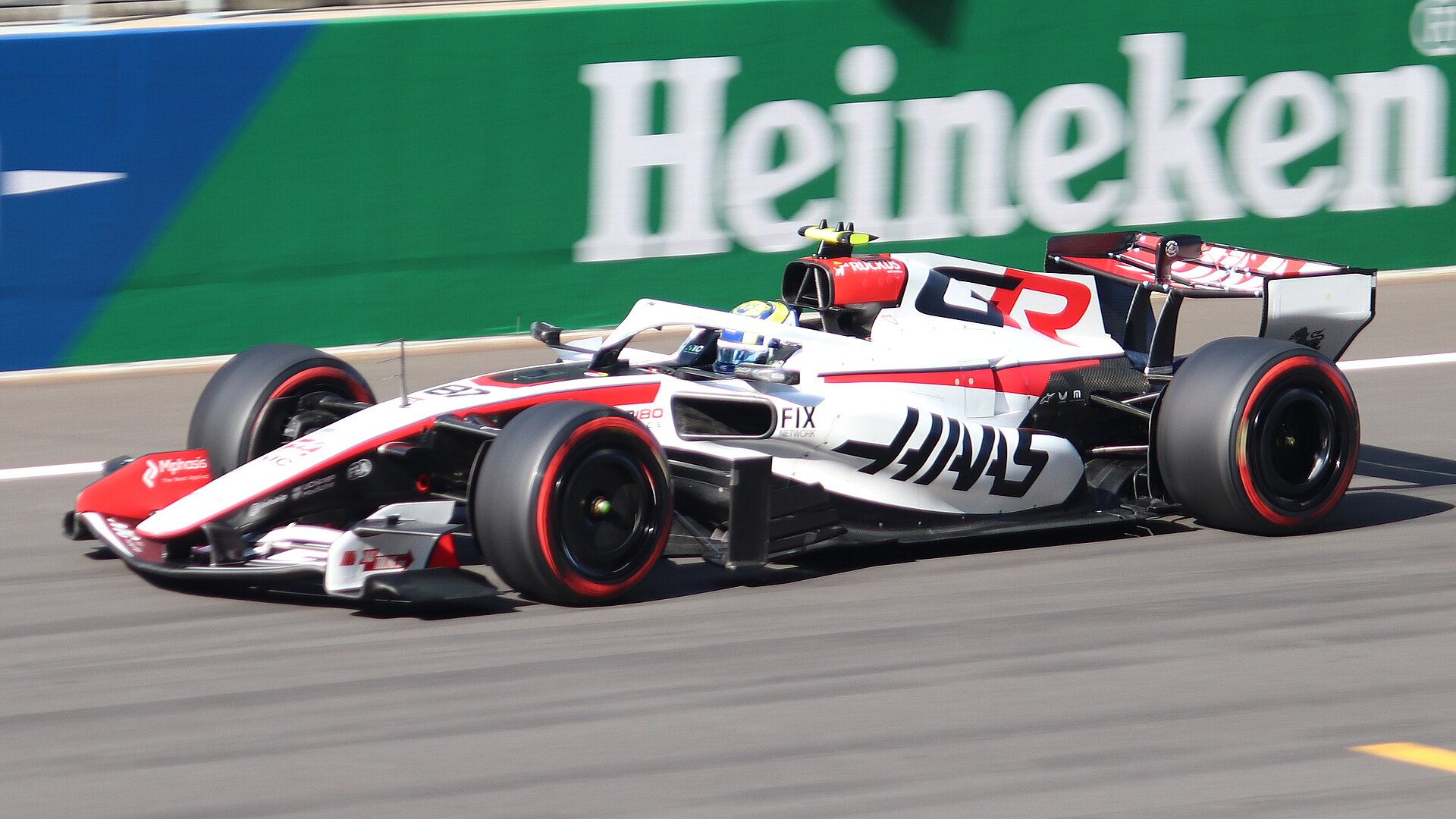
The 2026 Japanese Grand Prix was supposed to be a triumph of sustainable engineering, but for Oliver Bearman, it became a 308kph lesson in the law of unintended consequences. On Lap 22, the asphalt of the Spoon Curve—a place that demands total aerodynamic commitment—turned into a debris field. The impact registered a staggering 50G.
While the Haas driver walked away with a knee contusion, the incident has left a jagged scar across the reputation of the current Formula One technical regulations.
At the heart of the wreck lies a fundamental flaw in how the sport now manages power. The 2026 units rely on a 50/50 split between internal combustion and electrical deployment. To maintain that balance, cars must harvest energy at the most inconvenient times. As Bearman shadowed Franco Colapinto, the Alpine ahead hit its energy limit. In an instant, Colapinto’s car "de-rated," shedding hundreds of horsepower while mid-corner.
The speed differential was violent. Bearman, expecting a continuous tow, found the back of the Alpine growing exponentially in his visor. With no time to react to a car that had hit an invisible wall, he was forced onto the grass. At those speeds, the Haas became a carbon-fibre sled, skipping across the turf before burying itself sideways into the barriers.
Following the 191mph shunt on Lap 22 of the 2026 Japanese Grand Prix, the Haas F1 Team released an official medical update confirming that Oliver Bearman sustained a 50G impact. While Bearman was seen limping and required assistance from marshals, X-rays at the circuit's medical centre confirmed he suffered no fractures, only a right knee contusion (heavy bruising) caused by his leg striking the cockpit interior.
Team Principal Ayao Komatsu attributed the "scary" incident to an extreme 50kph closing speed (approximately 30mph) caused by the car ahead, Franco Colapinto, harvesting energy under the new regulations while Bearman was on a deployment lap.
Critics and drivers have spent months warning the FIA about "super-clipping"—the moment a car runs out of battery and slows drastically on a high-speed bend. What happened at Suzuka was a regulatory failure. We have created a formula where the car’s energy management system can override the driver’s intent, creating unpredictable moving chicanes in the middle of the fastest sectors on the calendar.
The 2026 era was built on the promise of closer racing, yet Bearman’s crash proves we have traded aerodynamic wake for a dangerous electrical wake. A car can lose 50kph of potential speed in a high-load corner because a battery is empty. We are just managing a spreadsheet at 200mph. This is a terrifying reality for a driver in a slipstream who cannot predict when the car ahead will suddenly lose its shove.
Suzuka is a circuit that punishes hesitation. By forcing drivers to gamble with energy deployment in the middle of combat, the FIA has introduced a variable that the human reflex cannot account for. Bearman is lucky the safety cell held. The chassis absorbed the primary force of the impact, but the mental strain on the grid is growing. Several drivers expressed concerns during the post-race debrief, citing that the closing speeds are reminiscent of multi-class racing rather than a single-seater championship.
The technical working group must acknowledge that the MGU-K recovery requirements are too aggressive for high-speed flow circuits. When a driver is forced to harvest while defending a position, they become a hazard to everyone behind them. This isn't about driver skill or "managing the package"; it's about a power unit that cannot sustain the speeds the chassis is capable of achieving.
Unless the harvesting and deployment rules are overhauled before the next high-speed rounds, the sport is playing a dangerous game of chance with its most talented assets. The FIA needs to implement a "minimum deployment" floor to ensure that cars do not become stationary objects on the racing line. Oliver Bearman’s wreck should be the final warning. The 2026 regulations were meant to save the sport's future, but at the Spoon Curve, they nearly cost a driver his.