Teams
F1's $11 million engine lifeline: What is ADUO and how does it work?
By Kavi Khandelwal
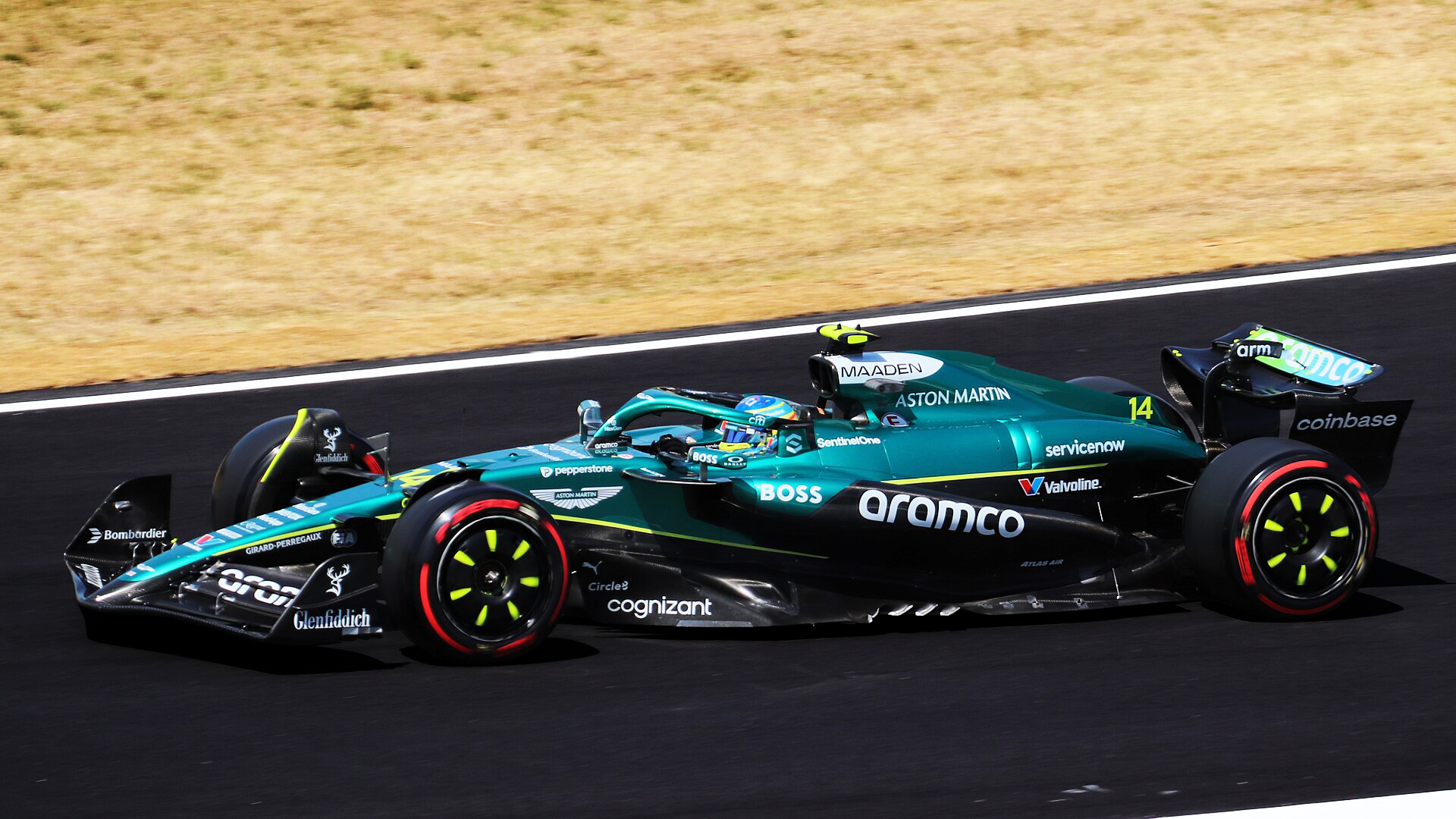
The 2026 F1 ADUO rule is the regulation nobody's talking about — and it could quietly reshape the entire championship.
The 2026 F1 ADUO rule is the regulation nobody's talking about — and it could quietly reshape the entire championship. Buried inside the new power unit framework is a mechanism that hands struggling engine manufacturers extra upgrades and up to $11 million in additional funding to close the gap. It's called ADUO, and in a season already defined by radical change, it might matter more than anyone expects.
What is the 2026 F1 ADUO rule?
ADUO stands for Additional Development and Upgrade Opportunities. The 2026 Technical Regulations build it in as a structured system that gives power unit manufacturers extra development chances — and financial breathing room outside the cost cap — if their engine falls sufficiently behind the best on the grid. The key word is sufficiently. A manufacturer must prove their Internal Combustion Engine (ICE) performs at least two percent below the benchmark before F1 ADUO 2026 relief kicks in at all.
How does the FIA measure engine performance?
Three times a season, the FIA analyses ICE performance using on-car data — input shaft torque, engine speed, MGU-K power output, and a weighting that reflects how sensitive power is to lap time. That analysis produces an ICE Performance Index. The FIA applies no correction factors. Fluid temperatures, aerodynamic interference, ambient conditions — the data captures all of it naturally. What a manufacturer produces on track is what the FIA measures. It's also worth noting what the 2026 F1 ADUO doesn't cover: the ERS system. A manufacturer could run an exceptional hybrid system and still qualify for ADUO relief if the combustion engine itself is struggling.
How much money and how many upgrades do you get?
ADUO delivers two things: extra upgrade tokens and additional budget outside the cost cap. The financial side scales with the size of the deficit. A gap of two to four percent earns the manufacturer up to $3 million in additional allowance. Four to six percent behind brings up to $4.65 million, while a six-to-eight percent gap triggers up to $6.35 million. Eight to ten percent off the pace unlocks up to $8 million, and any manufacturer more than ten percent behind can access up to $11 million — plus, in 2026 only, the option to bring forward up to $8 million of future cost-cap allowance to accelerate recovery immediately. The upgrade side works similarly. A two-to-four percent deficit earns one additional homologation upgrade this season and one next year. Four percent or more behind earns two upgrades now and two in 2027. Allocations don't stack within a season, but next-year upgrades carry over — meaning a manufacturer could enter a future season holding four upgrades if they qualified in back-to-back years. The eligible components extend well beyond the ICE too; manufacturers can modify the turbocharger, exhaust system, ERS components, MGU-K, and control electronics.
When does the F1 ADUO 2026 assessment happen?
The FIA divides the season into three monitoring windows. Disruptions in the Middle East forced an adjustment to the first window, which now covers five races: Australia, China, Japan, Miami, and Canada. The FIA will publish results within two weeks of the Canadian Grand Prix. The second window runs from Monaco to Hungary. The third stretches from the Netherlands through to Mexico City. One critical caveat: if a manufacturer fails to qualify in either of the first two windows, the FIA closes the door for the rest of the season.
Is ADUO just a cheat code for bad engine makers?
No — and FIA Single-Seater Director Nikolas Tombazis has been emphatic about that. ADUO is not a balance of performance mechanism. The FIA won't hand out extra fuel flow, reshuffle ballast, or gift free wins to backmarkers. "A manufacturer will still need to make the best engine in order to win," Tombazis said. "It's not a magic bullet." What F1 ADUO 2026 actually does is act as a financial safety valve. It stops a manufacturer who falls behind early in the 2026–2030 regulatory cycle from staying there permanently — not because the FIA intervenes on track, but because the cost cap no longer traps them. The framework stays meritocratic. The best engine still wins. But no deficit should become irreversible simply because the budget to fix it ran out. In a season already turning the sport on its head, the ADUO rule is the quiet game-changer hiding in plain sight.