News
F1 eyes high-octane heritage as FIA President outlines V8 return
By Kavi Khandelwal
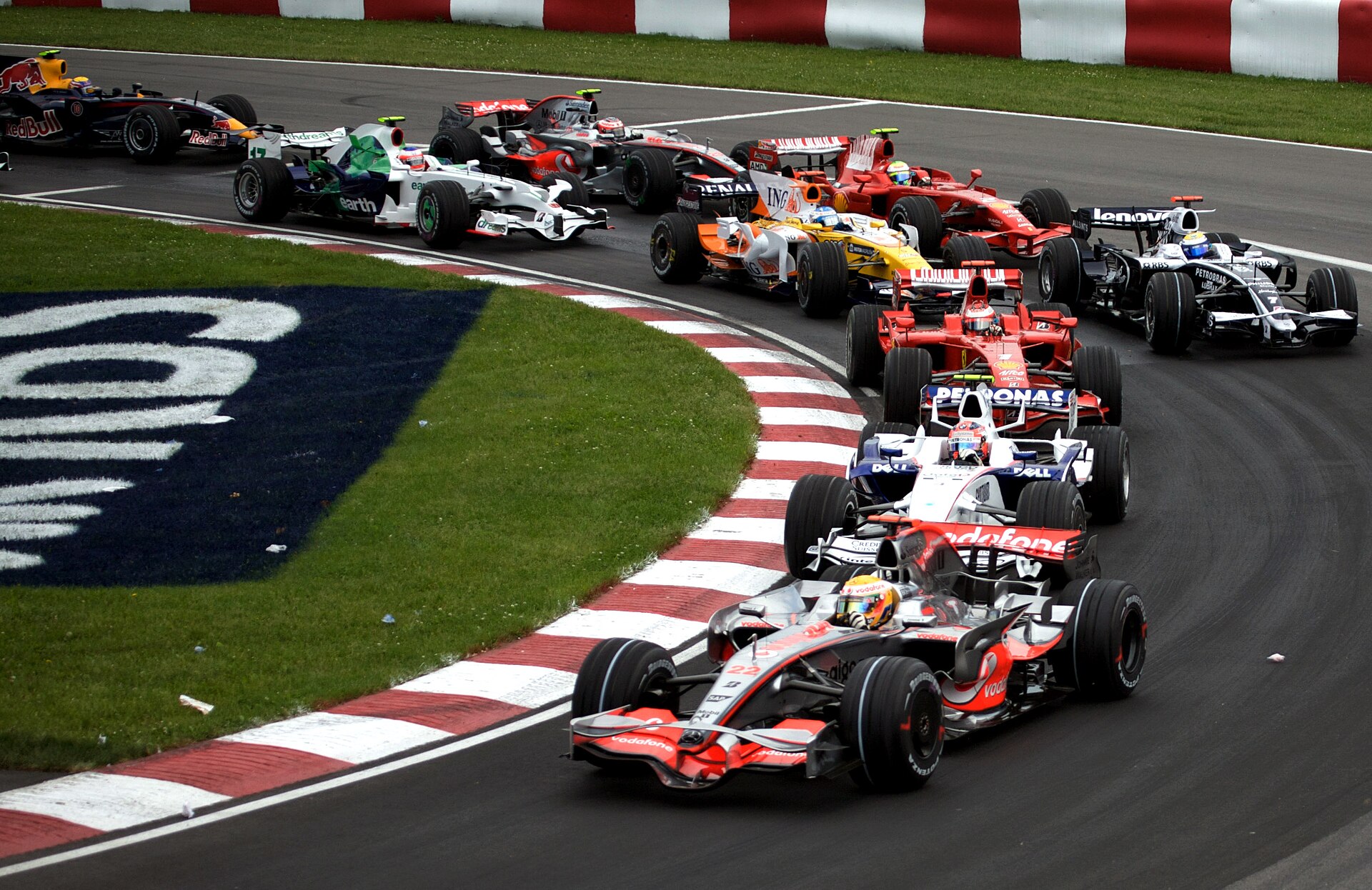
FIA's Ben Sulayem eyes a return to V8 power units by 2030/31, aiming to reduce F1 car weight and restore the series' iconic sound via sustainable fuel.
The visceral scream of the V8 is set to return to Formula One, marking a definitive shift away from the complex hybrid path that has defined the sport for over a decade. Speaking at the Miami Grand Prix, FIA President Mohammed Ben Sulayem confirmed that the governing body intends to reintroduce V8 power units by 2031 at the latest, with a potential fast-track to 2030 if manufacturer support aligns.
https://www.instagram.com/p/DX_NeTQOBDL/?hl=en
The move signals a major ideological pivot, prioritising the sensory experience of the fans and the agility of the cars over the intricate electrical sophistication of the current era. The decision follows mounting scrutiny regarding the 2026 technical regulations. While those rules were designed to attract new manufacturers like Audi and Ford, they introduced a near 50-50 power split between the internal combustion engine and electrical energy. This balance created immediate concerns among drivers and engineers. Early simulations suggested a "digital" racing experience where drivers would be forced into aggressive energy management, experiencing "superclipping" on straights and a heavy reliance on "lift and coast" tactics just to keep the batteries charged. Ben Sulayem is now leading a charge to reclaim the sport's auditory identity while simplifying the mechanical reality under the engine cover. "It’s coming," Ben Sulayem told Reuters during the Miami weekend. "At the end of the day, it’s a matter of time. In 2031, the V8, the FIA will have the power to do it without any votes from the manufacturers. That’s the regulations. But we want to bring it one year earlier, which everyone now is asking for." The President’s comments suggest that while the 2026 units will still hit the track, their tenure may be shorter than originally anticipated as the sport looks to correct its course. The proposed engines are expected to be 2.6 to 3.0-litre units running on 100% sustainable synthetic fuels. While a "very, very minor" level of electrification will remain to ensure the sport stays at the cutting edge of energy recovery technology, the primary focus is on a radical weight-saving programme. The current power units are behemoths by historical standards; a 2026 engine weighs approximately 185kg, nearly double the 95kg weight of the 2013-spec V8s. By stripping away the massive battery packs and complex MGU-H and MGU-K systems, the FIA hopes to solve the "heavy car" problem that has plagued the ground-effect era. For the transition to be accelerated to 2030, a super-majority of four out of the six registered power unit manufacturers—Ferrari, Mercedes, Renault, Honda, Audi, and Red Bull-Ford—must agree to the change. If the manufacturers remain deadlocked to protect their current investments, the FIA will exercise its unilateral right to overhaul the regulations for the 2031 season. Ben Sulayem noted that while manufacturer input is valued, the sport cannot be "held hostage" to the changing corporate strategies of road car brands, especially as global markets fluctuate between total electrification and carbon-neutral combustion. This trajectory captures the shifting tides within the global automotive boardroom. With major manufacturers increasingly pivoting back toward internal combustion via the medium of drop-in, carbon-neutral synthetic fuels, the industry’s singular, blind-faith obsession with battery-electric platforms is fracturing. F1 now has a golden opportunity to cement its status as the world’s ultimate high-speed laboratory for these sustainable fuels, effectively proving to the public that spine-tingling, high-revving noise is not just a relic of the past, but a central component of a net-zero future. Reverting to a V8 architecture promises a leaner, more vocal, and fundamentally more driver-focused F1, clawing back that raw, unbuffered, wheel-to-wheel aggression that defined the sport’s most iconic chapters.