News
Audi holds the definitive key to Max Verstappen’s Formula 1 future as political deadlock threatens shock retirement
By Kavi Khandelwal
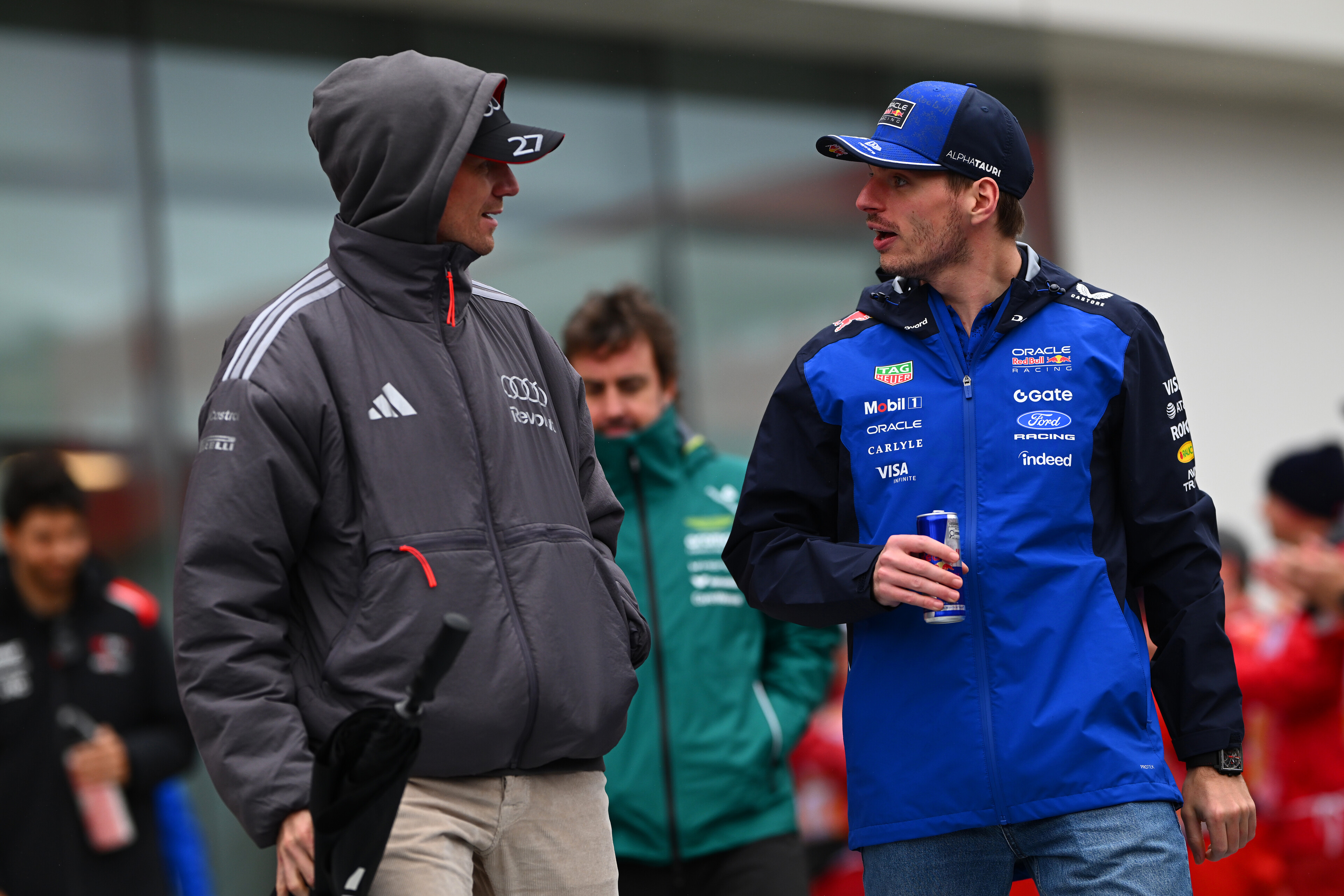
Max Verstappen is prepared to walk away from Formula One entirely if a critical grid-wide political deadlock over the 2027 engine regulations cannot be unpicked, with newcomer Audi now holding the definitive key to the three-time world champion’s future.
The sport's premier driver has grown increasingly vocal about his disdain for the upcoming 2026 technical regulations, blasting them as fundamentally flawed due to the heavy, restrictive nature of the planned power units. While an agreement in principle was recently reached to alter the power unit framework for 2027—shifting the artificial 50/50 internal combustion and battery split to a more conventional 60/40 ratio to appease driver complaints—the necessary regulatory changes have hit a brick wall. The FIA’s proposal has failed to even reach a formal ballot because it lacks the required supermajority support from four of the six power unit manufacturers on the Power Unit Advisory Committee. Currently, only Mercedes and Red Bull Powertrains are firmly in the pro-change camp, while Ferrari and Cadillac remain entrenched against it to protect their own development upgrade mechanisms. Because pushing those established giants into compliance is fraught with political difficulty, senior paddock figures and the FIA have pinpointed Audi as the crucial swing vote that can save the deal. The German manufacturer, which officially joins the F1 grid as an engine supplier, is fiercely resisting the 2027 rule tweak due to strict financial and resource constraints. Audi is highly reluctant to inject an estimated $10 million in additional engineering and hardware spending to redesign an entirely new power unit architecture right after funding its initial F1 entry.
https://www.youtube.com/shorts/Ir9ID5DUZmg
However, sources indicate that Audi is considered the most amenable of the opposing teams, and the FIA is currently working on compromise mechanisms—such as cost-cap exemptions or specific regulatory tweaks—to win them over. If Audi can be convinced to join Mercedes and Red Bull, Honda is widely expected to fall into line, triggering the necessary supermajority to pass the rules. Ferrari and Cadillac are deeply defensive of their positions because they want to protect the Additional Development and Upgrade Opportunities (ADUO) mechanism, which allows struggling manufacturers more dyno time. Opening up the regulations for 2027 resets the engine playing field, potentially allowing a frontrunner like Mercedes to expand an advantage while stripping away the performance-balancing safety nets that Ferrari is banking on to remain competitive. Should these furious behind-the-scenes efforts collapse and the 2027 technical changes fall by the wayside, Verstappen’s future in the sport is effectively over. The Dutchman has explicitly made it clear that he will not stick around to drive heavy, deeply compromised cars, nor will he take a temporary sabbatical to wait out a regulatory reset. He wants pure, unadulterated racing, not a political compromise that prioritises manufacturer marketing over track product. If the grid-wide politics block the return to normal racing, Verstappen will retire from Formula 1 immediately. This forces FOM and the FIA to urgently choose between protecting manufacturer balance sheets or losing the sport’s biggest star. This leaves Audi at the absolute epicentre of the driver market, holding a bizarre veto over whether the reigning champion remains on the grid or heads for an early exit. If the FIA can offer enough concessions to offset Audi's $10 million redesign penalty, the sport preserves its greatest current asset; if negotiations fail, F1 faces a catastrophic loss.